Invasive & Problem Trees
Help Protect Rolesville's Natural Areas
Some trees and woody plants can spread aggressively, displace native vegetation, create maintenance problems, and provide less ecological benefit than native alternatives.
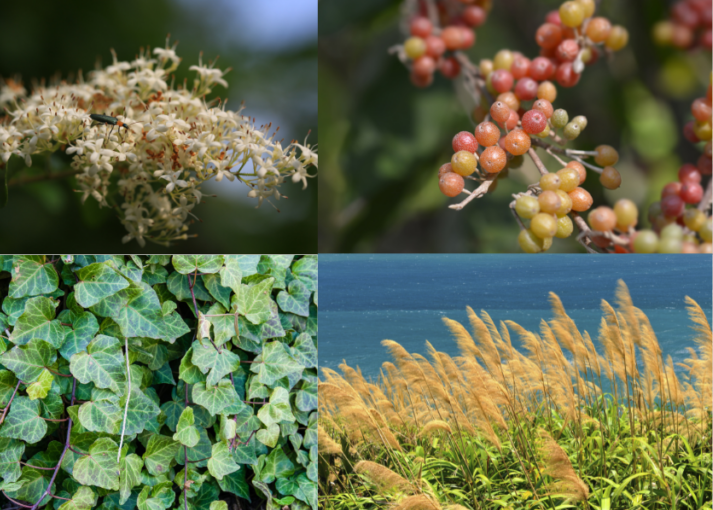
The Rolesville Tree Board recommends not planting these five species in Town:
| Species | Reason for Non‑Recommendation |
|---|---|
| Privet | Forms dense thickets, spreads readily by seed, and crowds out native vegetation. |
| Autumn Olive | Spreads rapidly through wildlife-dispersed seeds and can dominate fields, roadsides, and natural areas. |
| Bradford Pear / Callery Pear | Spreads into natural areas, displaces native plants, and has weak branches that are prone to storm damage. |
| Tree-of-Heaven | Extremely fast-growing, spreads aggressively by seed and roots, and is difficult to control once established. |
| Chinese Elm | Non-native tree with limited ecological value compared with suitable native alternatives and is susceptible to elm pests. |
Why Avoid Invasive Plants?
Invasive and problematic plants can:
- Displace native plants
- Reduce the quality and diversity of wildlife habitat
- Spread into parks, forests, and other natural areas
- Increase long-term maintenance and removal costs
- Reduce the diversity of our local landscape
- Create structural, pest, or maintenance problems around homes and public spaces
Native Plants
North Carolina has hundreds of native trees, shrubs, and other plants that can provide beauty, shade, flowers, fall color, and valuable wildlife habitat.
Examples of Native Trees:
- Large Shade Trees
- White Oak
- Southern Red Oak
- Willow Oak
- Red Maple
- Tulip Poplar
- Medium-Sized Trees
- River Birch
- Black Gum
- American Holly
- Eastern Red Cedar
- Small Trees
- Eastern Redbud
- Flowering Dogwood
- Serviceberry
- Fringe Tree
Benefits of Native Trees
Native trees can:
- Provide food and shelter for native wildlife
- Support pollinators and other beneficial insects
- Provide shade and cooling
- Improve air and water quality
- Add beauty and seasonal interest
Be well adapted to North Carolina's climate and growing conditions
The best tree depends on the location. Consider:
- Mature height and canopy spread
- Available planting space
- Sunlight
- Soil and drainage
- Water requirements
Proximity to utilities and structures
The NC State Extension Gardener Plant Toolbox allows residents to search for plants based on size, location, sunlight, soil conditions, native status, and other characteristics.
Before You Plant - Planting Guidelines
| Right Tree | Choose a species appropriate for your site. |
| Right Place | Consider the tree's mature size, not its size when you purchase it. |
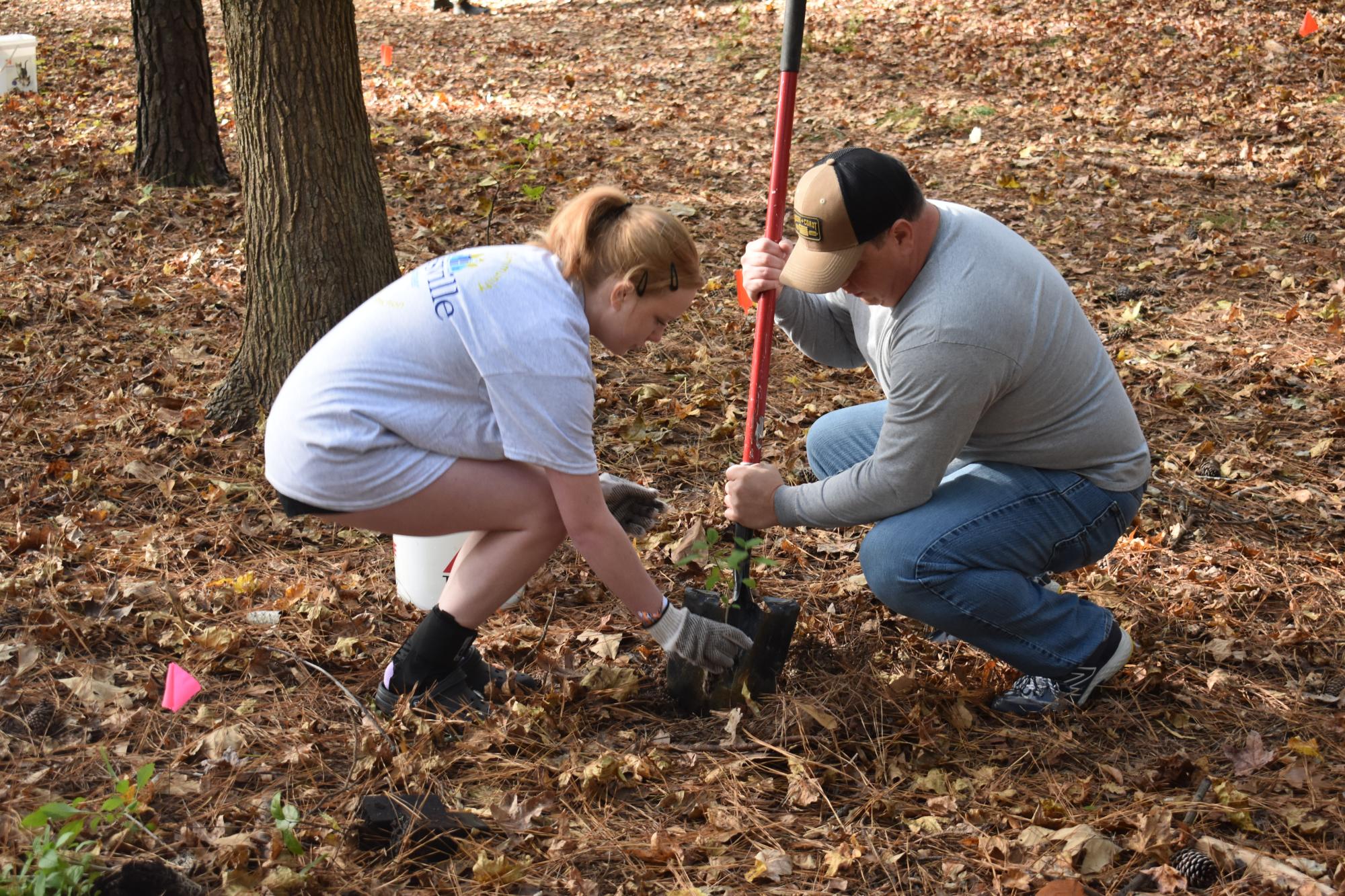
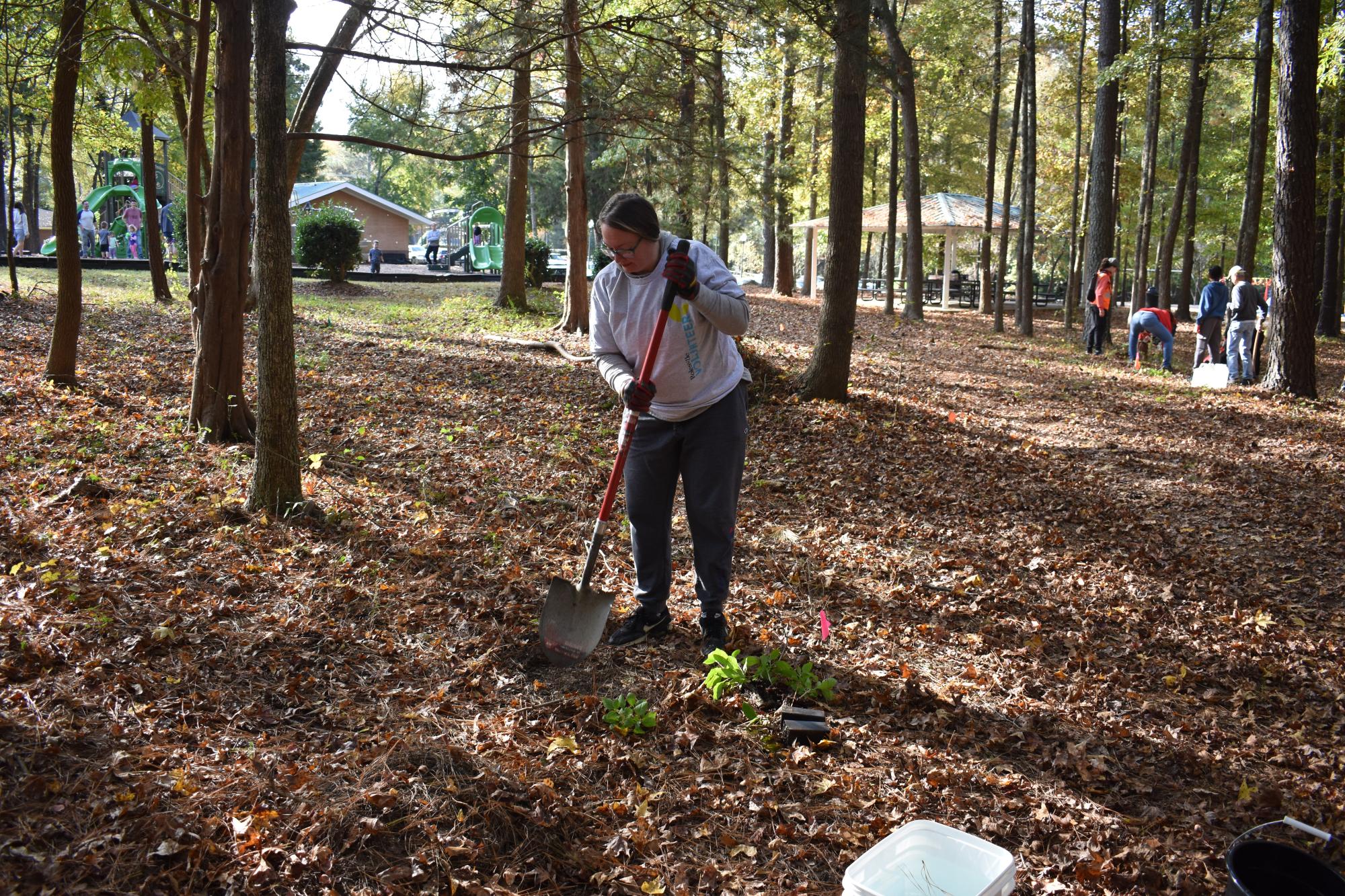
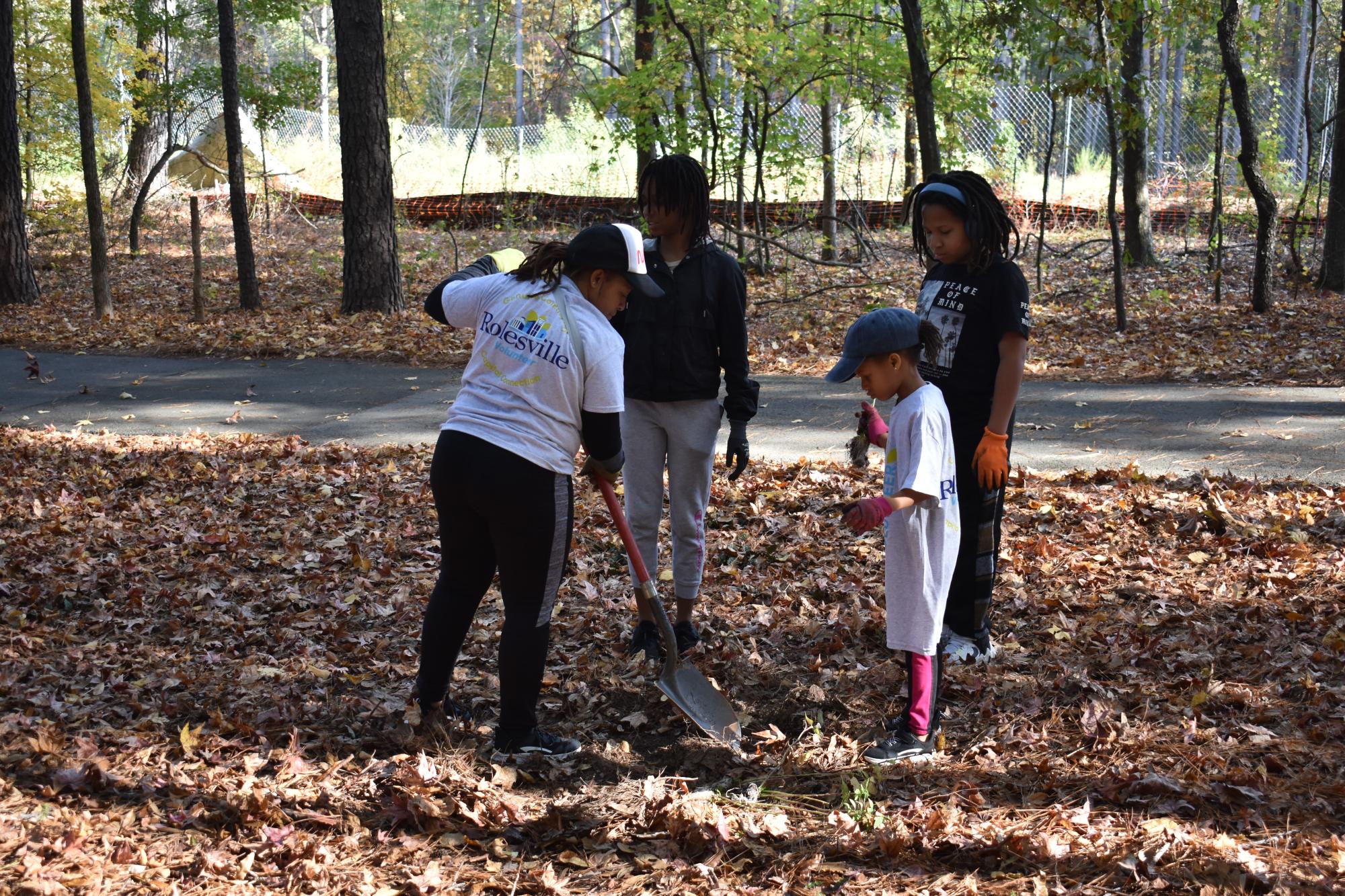
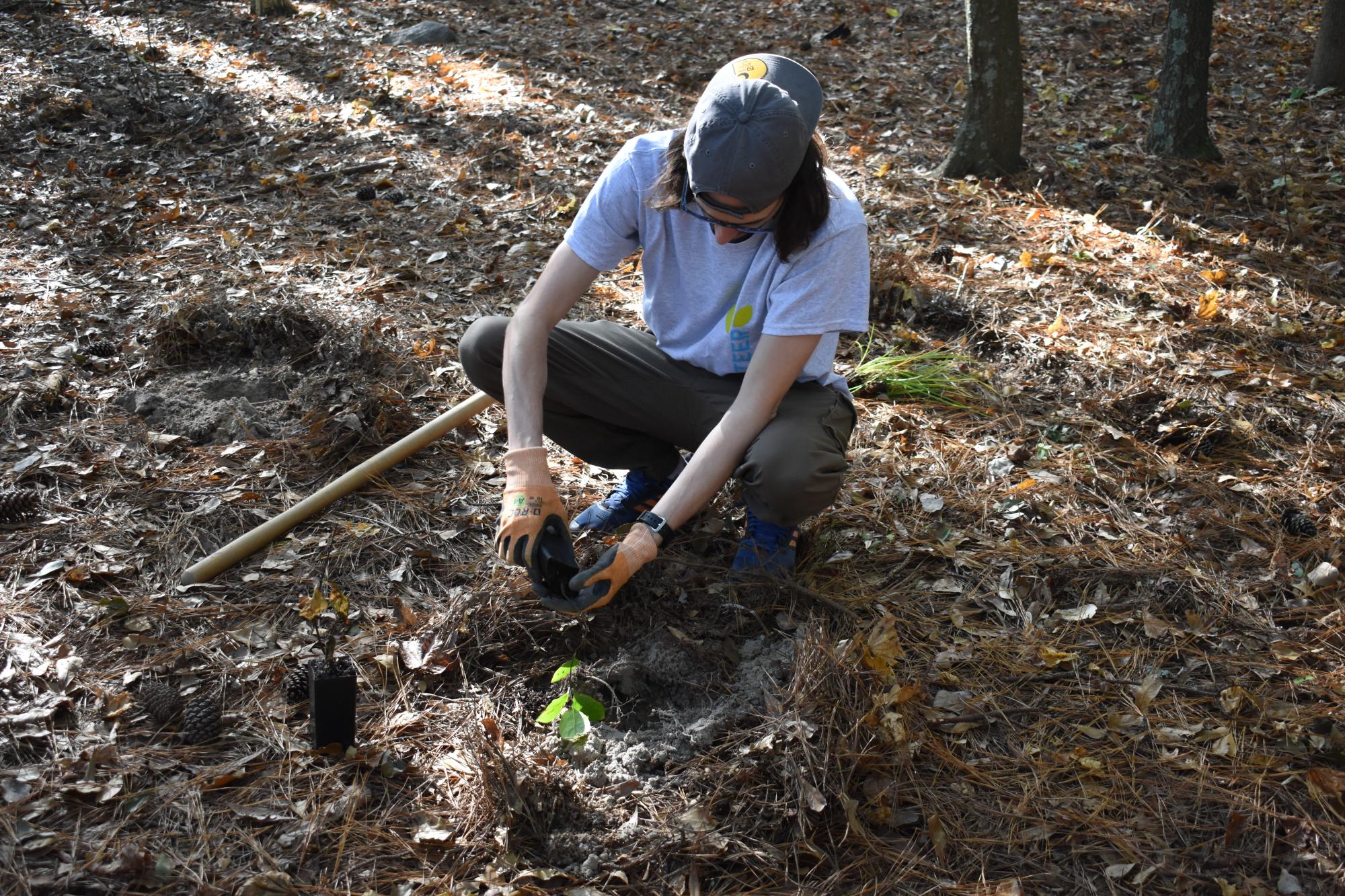
| Right Planting | Plant it at the proper depth and give the roots room to grow. |
| Right Care | Water and maintain the tree while it becomes established. |
A healthy tree starts with the right choice.
| NC State Extension | https://www.ces.ncsu.edu/ |
| Callery Pear / Bradford Pear | https://content.ces.ncsu.edu/callery-pear-bradford-pear-other-varieties… |
| Tree-of-Heaven | https://content.ces.ncsu.edu/tree-of-heaven-ailanthus |
| Native Plants | https://gardening.ces.ncsu.edu/gardening-plants/native-plant-resources/ |
| NC State Extension Gardener Plant Toolbox | https://plants.ces.ncsu.edu/ |
| North Carolina Forest Service | https://www.ncagr.gov/divisions/nc-forest-service |
| Invasive Plants in North Carolina | https://content.ces.ncsu.edu/invasive-plants-and-your-forests |
| Invasive Plant Publications | https://content.ces.ncsu.edu/ |
| NC State Extension — Native Plants | https://gardening.ces.ncsu.edu/gardening-plants/native-plant-resources/ |
| NC State Extension — Landscaping for Wildlife with Native Plants | https://content.ces.ncsu.edu/landscaping-for-wildlife-with-native-plants |
| NC State Extension Gardener Plant Toolbox | https://plants.ces.ncsu.edu/ |